

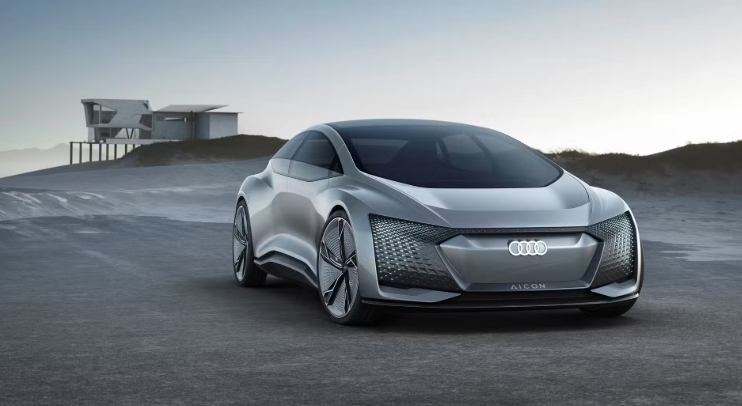
The year 2025 marks a significant milestone in the evolution of automotive safety. As autonomous systems, artificial intelligence, and connected technologies converge, cars are becoming smarter, faster, and—most importantly—safer. With an increasing emphasis on reducing accidents and fatalities, the automotive industry is rolling out cutting-edge safety technologies designed to protect drivers, passengers, and pedestrians. Below are the Top 10 Car Safety Technologies of 2025 and how they are reshaping the landscape of road safety.
1. Advanced Driver Assistance Systems (ADAS)
ADAS is the umbrella term for a suite of safety features that assist the driver in the decision-making process. By 2025, ADAS has reached new heights, incorporating:
- Lane-keeping assistance (LKA)
- Adaptive cruise control (ACC)
- Forward collision warning (FCW)
- Traffic sign recognition (TSR)
- Emergency braking (AEB)
These systems work together using a combination of sensors, cameras, radar, and LiDAR to detect potential hazards, apply brakes, steer the vehicle back into the lane, and maintain a safe distance from other vehicles. Enhanced AI algorithms now allow for real-time environmental mapping and response. As modern vehicles become more advanced and valuable, many owners also rely on trusted Illinois Car Shipping Companies to ensure their cars are transported safely without risking damage to sensitive safety technologies.
2. Vehicle-to-Everything (V2X) Communication
V2X communication technology enables cars to “talk” to each other and to infrastructure such as traffic signals, road signs, and emergency vehicles. In 2025, this technology has become more widespread thanks to the deployment of 5G networks.
Benefits include:
- Real-time traffic updates and rerouting
- Early warnings for upcoming hazards or road conditions
- Prevention of intersection collisions
V2X plays a critical role in reducing response time, especially in congested urban areas, significantly improving reaction time and reducing accidents.
3. Autonomous Emergency Braking with Pedestrian & Cyclist Detection
Traditional emergency braking systems have been limited to detecting cars. In 2025, improved object recognition allows systems to detect and distinguish between pedestrians, cyclists, and animals—even in low light or poor weather.
When a potential collision is detected, the system issues warnings and, if the driver doesn’t react in time, automatically applies the brakes. This technology has already proven effective in lowering injury and fatality rates in high-traffic urban settings.
4. Driver Monitoring Systems (DMS)
With distracted and drowsy driving remaining major causes of road accidents, DMS has become an essential feature in 2025 vehicles. These systems use infrared cameras and biometric sensors to track:
- Eye movements and blink rates
- Facial expressions
- Head positioning
- Steering patterns
If the system detects signs of fatigue or distraction, it issues auditory and visual alerts, and in critical cases, initiates safe maneuvering protocols like slowing down or stopping the vehicle.
5. Augmented Reality (AR) Dashboards
AR dashboards take the concept of heads-up displays (HUDs) to the next level. In 2025, they provide a live overlay of critical driving data on the windshield, including:
- Navigation directions with lane guidance
- Speed and fuel status
- Hazard detection
- Traffic alerts
By minimizing the need for drivers to look away from the road, AR dashboards significantly reduce distractions and improve situational awareness.
6. 360-Degree Surround View Cameras
Modern cars are equipped with multiple cameras and ultrasonic sensors, but in 2025, 360-degree systems have evolved to deliver seamless real-time imaging with AI-driven alerts.
Key features:
- Blind spot elimination
- Enhanced parking assistance
- Obstacle detection during tight maneuvers
Some models even offer “transparent chassis” views, allowing drivers to see the terrain underneath the car—useful for off-roading or navigating construction zones.
7. Pre-Collision Occupant Protection Systems
Going beyond airbag deployment, pre-collision occupant protection systems in 2025 prepare the entire cabin when an imminent crash is detected. These systems automatically:
- Tighten seat belts
- Adjust seat positioning
- Close windows and sunroofs
- Activate noise reduction to minimize trauma
These actions, performed milliseconds before impact, dramatically increase the chances of survival and reduce injury severity.
8. Over-the-Air (OTA) Safety Updates
Cars are now as much digital platforms as they are mechanical machines. OTA technology allows manufacturers to send software updates directly to vehicles, enhancing or fixing safety features without requiring dealership visits.
In 2025, this capability includes:
- Real-time patching of software vulnerabilities
- Updates to ADAS and AI driving algorithms
- Installation of new safety protocols as regulatory standards evolve
This ensures vehicles stay up-to-date with the latest innovations and safety standards throughout their lifecycle.
9. Smart Airbags and Adaptive Restraint Systems
Conventional airbags are now being replaced or supplemented by smart airbags that deploy based on occupant size, position, and crash severity. Adaptive restraint systems include seatbelts that dynamically adjust their tension or deployment angle in real time.
In 2025, these systems use machine learning to assess the safest configuration per occupant, whether it’s an adult, a child, or a pet. The result is a significant reduction in airbag-related injuries and fatalities.
10. Cloud-Connected Incident Response
In an accident scenario, time is critical. Smart cars in 2025 are connected to cloud-based emergency services. Upon detecting a collision, the car automatically:
- Notifies emergency responders
- Sends GPS coordinates and severity data
- Shares medical details of the passengers (if permitted)
This technology reduces emergency response times and helps paramedics arrive on the scene better prepared, ultimately saving lives.
Final Thoughts: The Road Ahead
The integration of AI, 5G, and sensor fusion technologies has transformed vehicles into proactive guardians on the road. As cars get smarter, human error—a major factor in over 90% of road accidents—is being systematically reduced. The safety technologies of 2025 not only enhance protection during accidents but also actively prevent them.
While these innovations are largely available in premium vehicles today, they are expected to trickle down to more affordable models in the coming years. Governments and automakers are working hand-in-hand to make these life-saving features standard, not optional.
Smart cars aren’t just a glimpse into the future—they are already here, revolutionizing road safety one innovation at a time.