

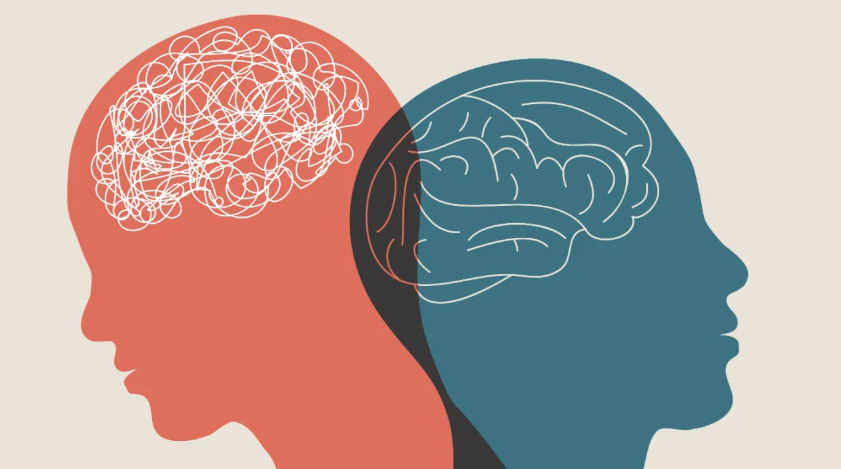
Introduction: Health and Climate – A Vital Connection
In the 21st century, one of the most critical and urgent relationships being explored is the intersection between climate change and human health. While the effects of global warming have long been discussed in terms of rising sea levels, melting glaciers, and endangered wildlife, its implications on human well-being are becoming impossible to ignore. From increasing respiratory illnesses due to poor air quality to the spread of vector-borne diseases and the psychological toll of extreme weather events, climate change is not just an environmental issue—it is a human health crisis.
This article explores how environmental changes directly and indirectly impact our health, why it matters now more than ever, and what actions we can take to protect ourselves and our communities.
1. Rising Temperatures and Heat-Related Illnesses
One of the most direct effects of climate change on health is the increasing frequency, intensity, and duration of heatwaves. Global temperatures have risen by approximately 1.1°C since the pre-industrial era, and this warming trend is projected to continue.
Health Impacts of Heatwaves:
- Heat Stroke and Dehydration: Extreme heat can cause body temperatures to rise to dangerous levels, leading to heat exhaustion or even fatal heat strokes.
- Cardiovascular Stress: High temperatures increase the workload on the heart, especially in older adults or those with preexisting heart conditions.
- Reduced Work Capacity: Outdoor laborers, particularly in agriculture and construction, face diminished productivity and increased risk of heat stress.
Vulnerable populations such as the elderly, infants, outdoor workers, and people with chronic diseases are at particular risk during prolonged heat events.
2. Air Pollution: A Silent Killer
Environmental degradation leads to a significant deterioration in air quality. The combustion of fossil fuels for energy, transportation, and industry releases pollutants like particulate matter (PM2.5), nitrogen oxides, and sulfur dioxide into the atmosphere.
Consequences for Health:
- Respiratory Illnesses: Polluted air is a major contributor to asthma, chronic obstructive pulmonary disease (COPD), and lung cancer.
- Cardiovascular Disease: Long-term exposure to air pollution increases the risk of heart attacks and strokes.
- Children’s Health: Children exposed to high pollution levels suffer from impaired lung development and increased incidences of respiratory infections.
The World Health Organization estimates that air pollution leads to 7 million premature deaths globally each year, with a significant portion attributed to climate-related changes.
3. Infectious Diseases on the Rise
Changing climates influence the behavior, reproduction, and spread of disease vectors like mosquitoes, ticks, and rodents. As temperature and rainfall patterns shift, so do the habitats of these vectors.
Notable Disease Expansions:
- Malaria and Dengue: Once limited to tropical regions, these mosquito-borne illnesses are now appearing in areas that were previously too cool or dry.
- Lyme Disease: Carried by ticks, this disease is becoming more common in North America and Europe due to warmer winters and earlier springs.
- Waterborne Illnesses: Flooding and contamination of water sources can lead to outbreaks of diseases like cholera and dysentery.
The interconnectedness of climate and pathogens creates a volatile landscape for global health.
4. Food and Water Insecurity
Climate change affects the quantity, quality, and distribution of food and water, threatening global nutrition and hydration.
Key Challenges:
- Crop Failures: Droughts, floods, and unpredictable weather patterns can lead to poor harvests, higher food prices, and food shortages.
- Nutritional Deficiencies: Rising carbon dioxide levels can reduce the nutritional value of crops, particularly affecting zinc, iron, and protein levels.
- Water Scarcity: Regions already experiencing water stress are likely to suffer more from extended droughts and overuse of water sources.
Malnutrition weakens the immune system, exacerbates existing health conditions, and hinders childhood development.
5. Mental Health Strain and Climate Anxiety
The psychological impact of climate change is often underestimated. As communities face increasingly frequent and devastating natural disasters—hurricanes, wildfires, floods—the mental health toll grows.
Mental Health Effects:
- Post-Traumatic Stress Disorder (PTSD): Survivors of natural disasters may suffer long-term emotional trauma.
- Climate Anxiety: A growing number of individuals, especially youth, report feelings of helplessness, grief, and anxiety about the planet’s future.
- Displacement Stress: Climate-related migration disrupts communities, increasing the risk of depression, substance abuse, and social isolation.
Mental health services must adapt to address these emerging needs, with culturally sensitive and trauma-informed approaches.
6. Health Infrastructure and Climate Resilience
Hospitals, clinics, and emergency services are increasingly vulnerable to climate impacts. Hurricanes can knock out power supplies, wildfires can force evacuations, and floods can destroy medical facilities.
Systemic Vulnerabilities:
- Infrastructure Damage: Hospitals in coastal or wildfire-prone areas may be physically damaged or rendered inoperable.
- Supply Chain Disruptions: Access to medication, vaccines, and clean water may be interrupted during extreme weather events.
- Healthcare Worker Burden: Overwhelmed and under-resourced, healthcare workers face burnout during crises.
Creating resilient health systems that can withstand and adapt to climate shocks is crucial for protecting communities.
7. Climate Inequality and Environmental Justice
Not all populations are equally affected. Marginalized and low-income communities often bear the brunt of environmental degradation, despite contributing the least to global emissions.
Environmental Inequities:
- Urban Heat Islands: Densely populated, low-income neighborhoods often lack green spaces, amplifying heat stress.
- Toxic Exposure: Industrial waste and polluted water disproportionately affect communities of color and Indigenous groups.
- Limited Access to Care: Vulnerable populations may lack the healthcare access needed to deal with climate-related illnesses.
Addressing climate justice is essential for equitable health outcomes worldwide.
8. Adaptation and Mitigation: Your Role in the Solution
While climate change is a global challenge, individual and community-level actions play a powerful role in both mitigating emissions and adapting to changing conditions.
What You Can Do:
- Sustainable Living: Reduce carbon footprint through renewable energy, plant-based diets, and low-emission transportation.
- Community Action: Support local efforts to plant trees, promote bike-friendly infrastructure, and demand clean energy policies.
- Climate-Health Literacy: Educate yourself and others about how climate impacts health, and advocate for science-based solutions.
Healthcare professionals, educators, and policymakers must work together to align environmental sustainability with public health initiatives.
Conclusion: A Call to Conscious Living
The intersection of health and climate is no longer theoretical—it is a lived reality for millions and a looming threat for billions more. Understanding how environmental changes affect our well-being empowers us to take action, both individually and collectively. By bridging the gap between planetary health and personal health, we can build a future that is not only sustainable but also equitable and resilient.
Addressing climate change isn’t just about saving the Earth—it’s about saving ourselves.