

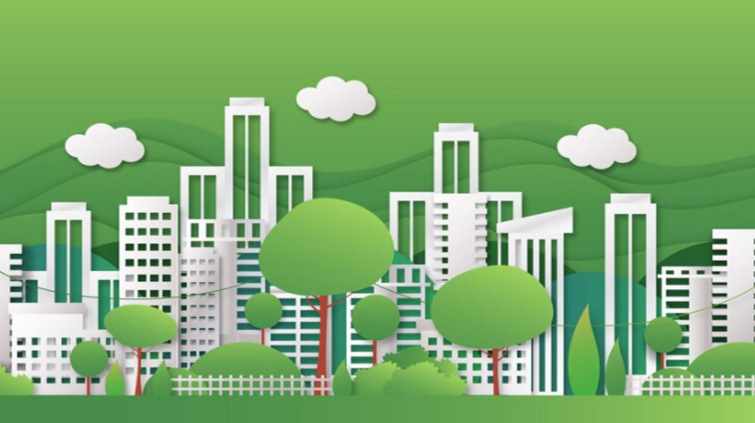
The convergence of smart technology and sustainability is rapidly transforming the landscape of real estate development. As the world faces increasing environmental challenges and an escalating demand for intelligent living solutions, smart homes and sustainable building practices have emerged as the cornerstone of the future. This synergy not only responds to the call for environmental responsibility but also meets modern consumers’ desires for convenience, safety, and energy efficiency.
The Evolution of Smart Homes
Smart homes are no longer a futuristic fantasy—they are a current and evolving reality. These residences are equipped with interconnected devices and systems that enable automation, remote monitoring, and control of functions such as lighting, heating, cooling, security, and appliances. What once began with programmable thermostats and smart light bulbs has evolved into complex ecosystems integrated with artificial intelligence, voice recognition, and real-time data analytics.
Devices like Amazon Alexa, Google Nest, and Apple HomeKit illustrate how far the industry has come. These systems provide homeowners with unprecedented control and customization, enhancing comfort while optimizing energy usage. Moreover, IoT (Internet of Things) integration allows different systems to communicate and adapt to human behavior, leading to both energy conservation and a highly personalized living experience.
Sustainability: More Than a Buzzword
Sustainability in real estate goes beyond energy-efficient windows or solar panels—it embodies a holistic approach to design, construction, and long-term building management. Sustainable homes reduce carbon footprints through environmentally responsible materials, renewable energy sources, efficient waste management, and water conservation techniques.
The urgency of climate change has propelled green building certifications like LEED (Leadership in Energy and Environmental Design), BREEAM (Building Research Establishment Environmental Assessment Method), and WELL into mainstream development practices. These standards ensure that homes are not only efficient but also healthy and environmentally friendly.
The Smart-Sustainable Synergy
The future of real estate development lies in the integration of smart home technology with sustainable design. When combined, these elements create buildings that are not just environmentally responsible, but also intuitively responsive to their inhabitants’ needs.
1. Energy Efficiency and Management
Smart thermostats, motion sensors, and AI-powered energy management systems help reduce electricity consumption significantly. These technologies allow for:
- Real-time monitoring of energy usage
- Automatic adjustment of lighting and HVAC systems based on occupancy and usage patterns
- Integration with renewable energy sources like solar panels
- Battery storage optimization and smart grid participation
This not only cuts utility bills but also reduces overall energy demand from non-renewable sources.
2. Water Conservation
Smart irrigation systems, leak detectors, and water usage analytics help minimize water waste. Homes can detect leaks early, regulate water pressure, and even automate outdoor watering based on weather forecasts, ensuring water is used only when necessary.
3. Waste Reduction and Material Efficiency
Sustainable smart homes often use prefabricated components made from recycled or rapidly renewable materials. Additionally, smart waste bins that sort and compact recyclables are gaining popularity, especially in high-tech urban developments.
4. Health and Wellness
Air quality monitors, humidity sensors, and lighting that mimics natural circadian rhythms contribute to healthier indoor environments. These elements align with wellness standards and create homes that actively support their occupants’ physical and mental well-being.
Economic and Social Implications
Affordability and ROI
While smart and sustainable features may increase upfront costs, they often yield long-term financial benefits. Energy savings, tax incentives, and increased resale value make green smart homes a sound investment. Moreover, utility companies and governments are increasingly offering rebates and subsidies for energy-efficient upgrades.
Market Demand and Consumer Behavior
Millennials and Gen Z homebuyers—who prioritize technology, environmental impact, and ethical living—are driving demand for smart, sustainable housing. A 2024 Deloitte report highlighted that 60% of younger homeowners prefer eco-friendly homes and are willing to pay a premium for them.
This shift in buyer expectations is encouraging developers to future-proof their projects with green building practices and integrated smart systems.
Urban Planning and Smart Cities
The rise of smart homes is also influencing urban planning and the evolution of smart cities. Entire neighborhoods are being designed around concepts like energy sharing, intelligent traffic management, and community-wide sustainability. Examples include Songdo in South Korea and Masdar City in the UAE—planned developments where data and environmental efficiency are central to infrastructure.
Challenges and Considerations
Despite the benefits, integrating smart home technology and sustainability is not without its challenges.
- Privacy and Security: Smart systems collect vast amounts of personal data. Ensuring cybersecurity and data protection is paramount to consumer trust.
- Standardization: With numerous manufacturers and platforms, interoperability between devices is still a challenge. Developers must choose systems that are future-compatible.
- Access and Equity: As with any innovation, there’s a risk that smart and sustainable homes will remain accessible only to wealthier buyers. Bridging this gap through policy and inclusive design is crucial.
Regulatory and Policy Support
Governments around the world are recognizing the importance of sustainable smart housing. Building codes are evolving to include energy and environmental benchmarks, while financial incentives are being offered for green upgrades and retrofits.
In the U.S., the Department of Energy’s Zero Energy Ready Home program and various state-level rebates encourage smart sustainability. The European Union’s Green Deal has similar initiatives to promote decarbonized buildings. In Asia, smart city initiatives often bundle housing with integrated IoT systems that align with environmental goals.
The Road Ahead: Trends to Watch
1. AI and Machine Learning in Energy Forecasting
Future homes will use AI not just to react but to predict. Machine learning models will forecast energy needs based on weather, occupancy, and lifestyle, enabling even more efficient resource use.
2. Blockchain in Smart Grids
Blockchain technology is being explored for peer-to-peer energy trading, where homes can sell excess solar power to neighbors, tracked and verified securely via decentralized ledgers.
3. Circular Economy in Construction
Real estate developers are increasingly focusing on circular principles—designing buildings that can be easily dismantled and recycled, reducing construction waste and extending material life cycles.
4. Integration with Mobility
Smart homes will soon sync with smart transportation, offering features like EV (electric vehicle) charging, traffic alerts, and integrated public transit data, further enhancing the sustainability of urban living.
Conclusion
Smart homes and sustainability are not merely parallel trends—they are deeply interconnected forces shaping the future of real estate development. Together, they offer a vision of homes that are not only efficient and convenient but also responsible and regenerative.
The future lies in designing living spaces that reduce environmental impact, enhance human well-being, and adapt to our ever-changing technological landscape. Developers, architects, policymakers, and consumers must collaborate to turn this vision into a widespread reality—building not just houses, but smarter, greener, and more sustainable homes for generations to come.