

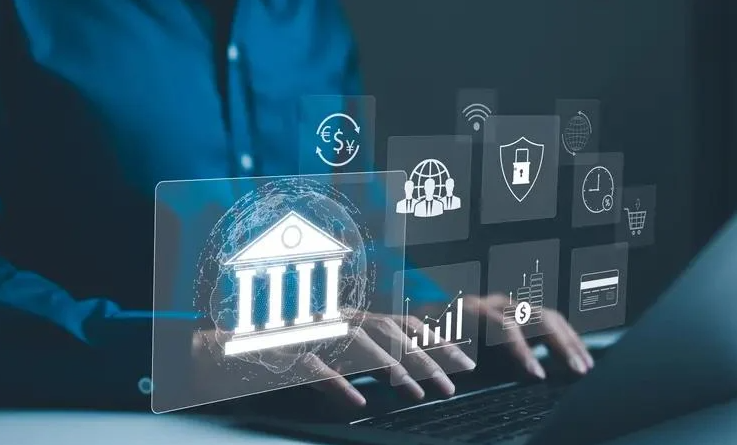
Introduction: The Dawn of Fintech
The 21st century has ushered in an era where digital innovation permeates every facet of our lives, and nowhere is this more evident than in the world of finance. Fintech, a portmanteau of “financial technology,” is reshaping how individuals and institutions manage, invest, and transact money. From mobile wallets to blockchain, the fintech revolution is not just a trend—it’s a fundamental redefinition of the financial ecosystem.
1. Understanding Fintech: From Concept to Reality
Fintech refers to the integration of technology into financial services to enhance or automate processes and delivery. What began as backend systems for banks has now exploded into a universe of digital payment platforms, robo-advisors, peer-to-peer (P2P) lending, and even decentralized finance (DeFi).
Key components of fintech include:
- Mobile banking and digital wallets (e.g., Apple Pay, Google Pay, PayPal)
- Cryptocurrencies and blockchain technology
- Online investment platforms and robo-advisors
- Insurtech and regtech solutions
- Lending and crowdfunding platforms
The real appeal lies in fintech’s ability to democratize access to finance, remove inefficiencies, and introduce a user-first experience.
2. The Disruption of Traditional Banking
Traditional banks have long dominated the financial sector, but they are now facing stiff competition from agile fintech startups. These new players offer:
- Lower fees: With minimal infrastructure and personnel, fintech firms operate at a lower cost.
- Faster services: Instant transactions and approvals contrast sharply with traditional banking delays.
- Better user interfaces: Intuitive apps and personalized experiences dominate the fintech model.
For instance, challenger banks like Revolut, Chime, and Monzo have attracted millions of users by offering mobile-first, fee-free, and customer-friendly banking alternatives.
Even legacy banks have been forced to adapt, creating fintech incubators or acquiring startups to remain competitive.
3. Digital Payments: A Cashless Future
Digital payment systems lie at the heart of the fintech revolution. Mobile wallets, QR-code payments, and contactless cards are making cash obsolete in many countries. Notable advancements include:
- UPI in India: Unified Payments Interface has made peer-to-peer and business payments seamless, even for small merchants.
- China’s mobile dominance: Alipay and WeChat Pay processed trillions in transactions, setting global benchmarks.
- Cryptocurrency adoption: Bitcoin, Ethereum, and even atlcoins are now accepted in many e-commerce and retail platforms, making it easier for customers to use cryptocurrencies for everyday purchases and track their value, like the sats to usd conversion.
With biometric authentication, fraud protection, and AI-enabled monitoring, digital payments are safer and faster than ever before.
4. Investment and Wealth Management 2.0
Investing was once the realm of brokers and financial advisors, but fintech has made it more accessible and data-driven. Platforms like Robinhood, eToro, and Wealthfront allow users to:
- Trade stocks, ETFs, and crypto with zero commissions
- Use robo-advisors for automatic portfolio rebalancing
- Access global markets through intuitive apps
Moreover, fintech has brought alternative investment opportunities—like real estate crowdfunding and peer lending—into the hands of everyday users.
Artificial Intelligence and Big Data play a key role in personalizing advice, managing risk, and optimizing returns based on individual goals.
5. Blockchain and Decentralized Finance (DeFi)
Blockchain—the underlying tech behind cryptocurrencies—is revolutionizing finance with transparency, security, and decentralization. DeFi, a blockchain-based form of finance, eliminates intermediaries like banks and brokers.
Key DeFi use cases:
- Smart contracts for automated lending and borrowing
- Yield farming for passive income
- Decentralized exchanges (DEXs) for peer-to-peer asset trading
These innovations provide financial access to the unbanked and challenge centralized control. However, they also pose regulatory and security risks.
6. Insurtech and Regtech: Modernizing Safety and Compliance
Two specialized arms of fintech—insurtech and regtech—are transforming traditionally rigid sectors.
- Insurtech uses AI, IoT, and big data to customize premiums, detect fraud, and settle claims faster. Startups like Lemonade and Metromile are streamlining how insurance is bought and serviced.
- Regtech automates compliance, anti-money laundering (AML), and Know Your Customer (KYC) procedures. This helps financial institutions meet regulatory demands with lower cost and higher accuracy.
Both sectors exemplify how automation and data analytics reduce overhead while increasing effectiveness and transparency.
7. Financial Inclusion: Bridging the Global Gap
Perhaps the most socially impactful aspect of the fintech revolution is financial inclusion. In many developing nations, fintech is connecting millions of unbanked individuals to formal financial systems.
Mobile banking apps, micro-investing tools, and digital ID systems enable people to:
- Open bank accounts with a smartphone
- Access credit and savings products
- Build credit history with alternative data
Projects like M-Pesa in Africa have shown how mobile money can lift communities out of poverty and fuel economic growth.
8. Challenges and Regulatory Hurdles
Despite its rapid growth, fintech faces significant challenges:
- Cybersecurity threats: Increased connectivity brings higher vulnerability to hacks and fraud.
- Data privacy concerns: Massive amounts of sensitive user data demand robust protection and transparency.
- Regulatory ambiguity: Many fintech innovations outpace existing laws, creating uncertainty.
- Digital divide: Those without access to reliable internet or smartphones may be excluded.
Regulators are catching up, with countries forming sandboxes and crafting fintech-specific rules. The balance lies in fostering innovation while protecting users.
9. The Future of Fintech
Looking ahead, the fintech revolution is set to deepen with the convergence of emerging technologies:
- AI and machine learning will enable hyper-personalized finance
- Quantum computing could supercharge fraud detection and encryption
- IoT will connect physical assets to financial networks (e.g., connected cars for insurance)
The synergy of finance and tech will also reshape industries—from embedded finance in retail to buy-now-pay-later models and even gamification of savings.
Fintech is not just a standalone industry; it’s becoming an integral part of how all businesses operate.
Conclusion: Embracing the Fintech Wave
The fintech revolution marks a paradigm shift in how we interact with money, invest for the future, and access financial services. It embodies speed, efficiency, and accessibility, yet brings forth new challenges that must be met with vigilance and innovation.
Whether you’re a consumer, investor, policymaker, or entrepreneur, understanding fintech’s potential is crucial. As technology continues to evolve, the financial world of tomorrow will be faster, fairer, and far more inclusive than ever before.